Aistiystävällinen
työympäristö
huomioi erilaiset
tarpeet
How does the work environment feel, sound, and look?
A well-designed space supports focus,
recovery, and workflow. Excessive noise,
glaring light, or a confusing environment
that makes navigation difficult adds unnecessary strain.
A sensory-friendly work environment takes into account
the different needs of space users and enables equal
functional capacity for everyone. It is not just accessible, but also spatially
and multisensorially clear, predictable, and flexible. While
biophilic design brings natural elements into workspaces,
sensory-friendly design delves deeper into
how different senses together affect the experience of the space – and how this experience can be improved.
A sensory-friendly work environment supports all employees'
well-being and focus, but it is particularly significant
for individuals with sensory sensitivities, neurodivergent
traits or other challenges related to perceiving space
and regulating stimuli. When an environment is clear,
predictable and stimulating in a controlled way, it promotes equal
functional ability and improves well-being at work.

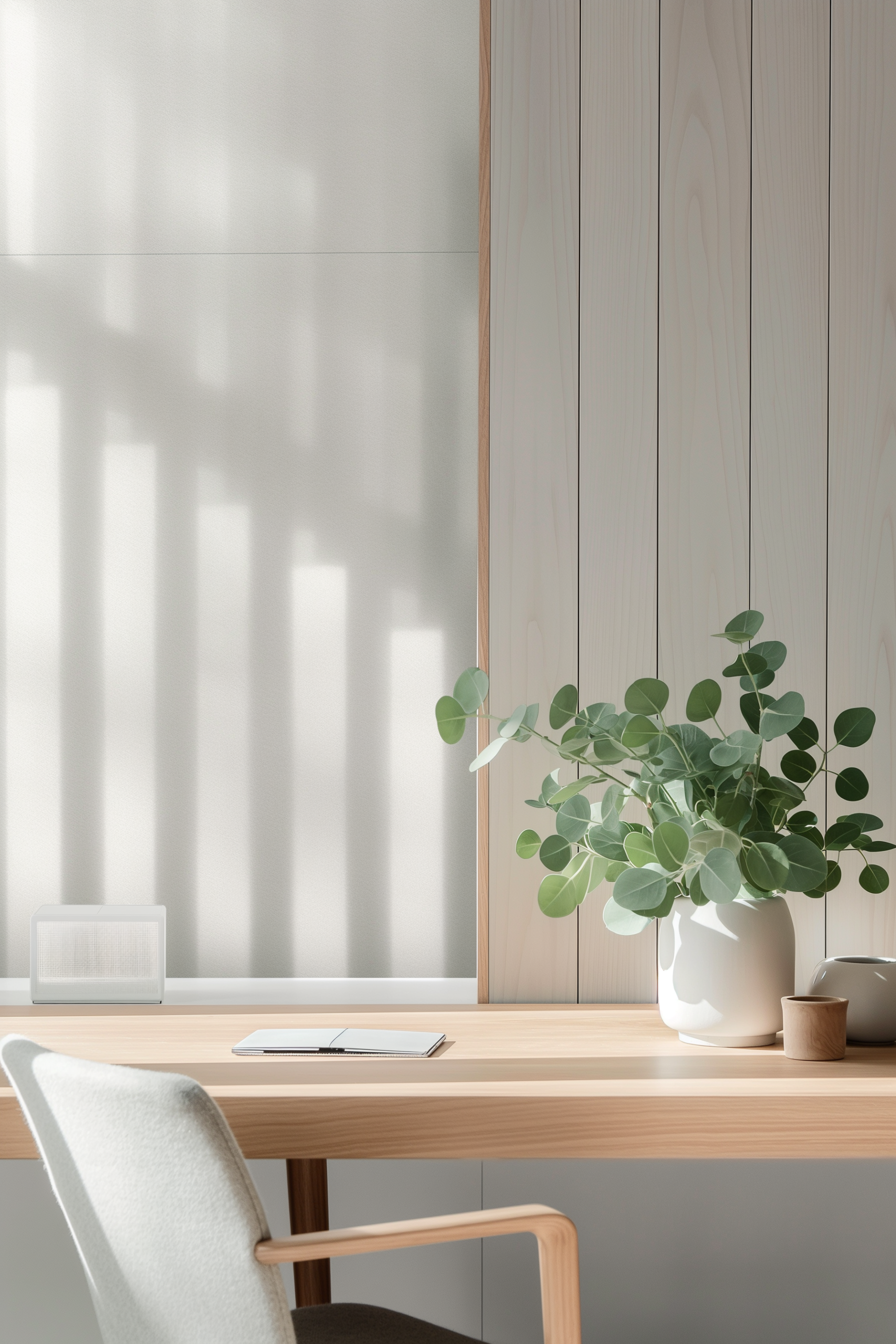
Minimizing negative stimuli
Constant noise, intense artificial light, or a mixture of smells
can strain the senses unnoticed. A sensory-friendly
environment does not mean eliminating stimuli, but
regulating them in a controlled manner. The aim is to create a space that supports
work and well-being without unnecessary strain.
The most important factor in the work environment
that affects comfort and focus is the soundscape. Excessive background noise
impairs work efficiency and increases stress levels, but also
an environment that is too quiet can make even small sounds distracting.
Therefore, the acoustics of workspaces should be designed to support both
focus and recovery.
The lighting of a workspace, in turn, affects alertness, mood, and
work efficiency. Light that is too bright or bluish can strain the eyes,
while uneven lighting can make a space challenging
to perceive.

Sensory-inclusive organizational culture
Sensory friendliness is not limited to physical elements –
the use of space and operational principles also significantly affect
the user experience. A consistently designed and
maintained work environment reduces cognitive load and
supports focus.
Good order and cleanliness are an essential part of a sensory-friendly
work environment. Clear and organized spaces reduce
cognitive load and increase peace of mind while working.
Disorder and clutter, on the other hand, can cause stress and
distract from focusing. The tidiness and order of workspaces are
everyone's responsibility, and maintaining them requires clear
practices and sufficient storage spaces.
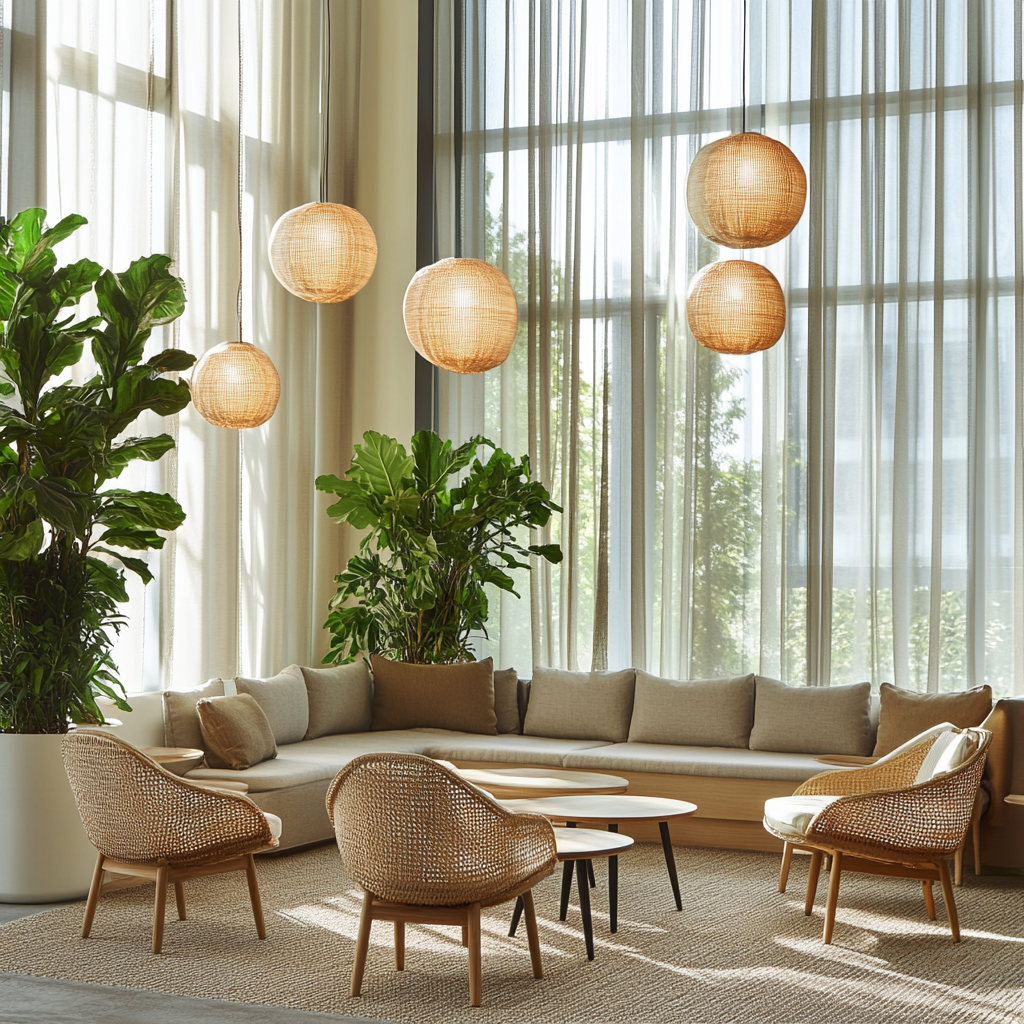
Recovery during the workday
A sensory-friendly work environment supports recovery from work
already during the workday. Short breaks, the possibility to change
work positions, and withdrawing from stimuli help maintain energy
and maintain the ability to focus. A sensory-friendly designed
space offers various recovery opportunities for individual
needs – for some, it means an environment where disturbances
are minimized and where one can focus on calming down,
for others, it is a space where pleasant sensory experiences, such as
natural sounds, warmth, or soft materials, support
relaxation.
How can you implement sensory-friendly spaces?
Manage the soundscape
✓ Use acoustic ceiling and wall panels as well as soft
materials, such as upholstery and carpets, to dampen
echo and footsteps.
✓ Structural sound insulation, such as decibel-rated partition
walls and sound-insulating doors, prevents sound from traveling
between spaces.
✓ Create different sound zones: quiet areas for focusing
and more open spaces for interaction.
✓ Ensure control of background noise: nature sounds or light
background music can support focus, but constant
equipment noises can be taxing.
Utilize natural light and lighting control options
✓ Place workstations near windows for natural light and
views outside.
✓ Enable adjustment of light intensity and color temperature
according to the work task.
✓ Use indirect lighting and glare-preventing solutions
Create a clear and intuitive space
✓ A consistent floor plan supports functionality and
facilitates movement in the space.
✓ The right scale of the premises and ergonomic furniture improve
comfort.
✓ Avoid strong contrasts. A harmonious color palette creates
a peaceful visual environment.
Consider the senses of touch and smell
✓ Use sensory-friendly materials, such as soft-surfaced
textiles and natural materials.
✓ Pay attention to indoor temperature and draught prevention, as even small
temperature fluctuations can affect well-being.
✓ Ensure air quality and odor control by choosing low-
emission materials and offering odor-free workspaces.
Enable recovery in a sensory-friendly environment
✓ Create quiet retreat spaces where one can momentarily
disconnect from sensory overload.
✓ Utilize multisensory elements, such as nature sounds
and soft materials.
✓ Encourage walking meetings – recovery does not only mean
being still.
✓ Utilize biophilic design: natural materials,
plants, and water elements support recovery and stress
management.